Family Court Conflict Solutions
Passionate about making a positive impact in legal proceedings, MB Moss Law is dedicated to serving individuals facing challenging family court issues by advocating conflict resolution. We are advocates for conflict resolution through mediation, which can occur before, during, and after the legal process.
We help your family work together to specifically address your issues and needs, aiming to minimize conflict for the benefit of all individuals involved.
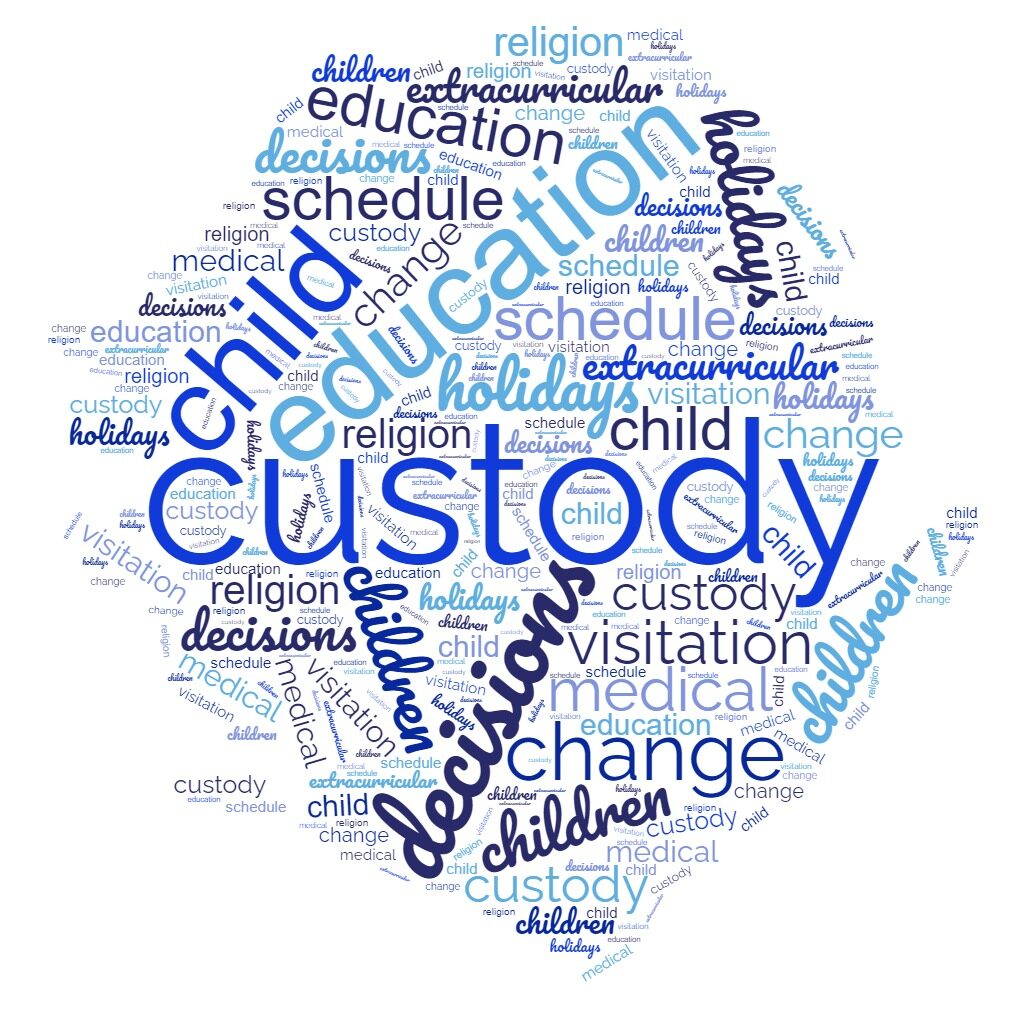
Family Court conflicts include issues such as divorce, separation, child custody, child support, visitation, paternity, division of property, division of debts, alimony, and relocation. Other issues arise through life changes, such as the need to change a prior order.
Agreements
Often individuals agree on solutions, desire to end or change their relationship, and do not want to engage in a long, expensive legal battle. This can be achieved through agreements and uncontested proceedings, allowing for a more amicable resolution without the need for an extended costly legal battle.
Mediation
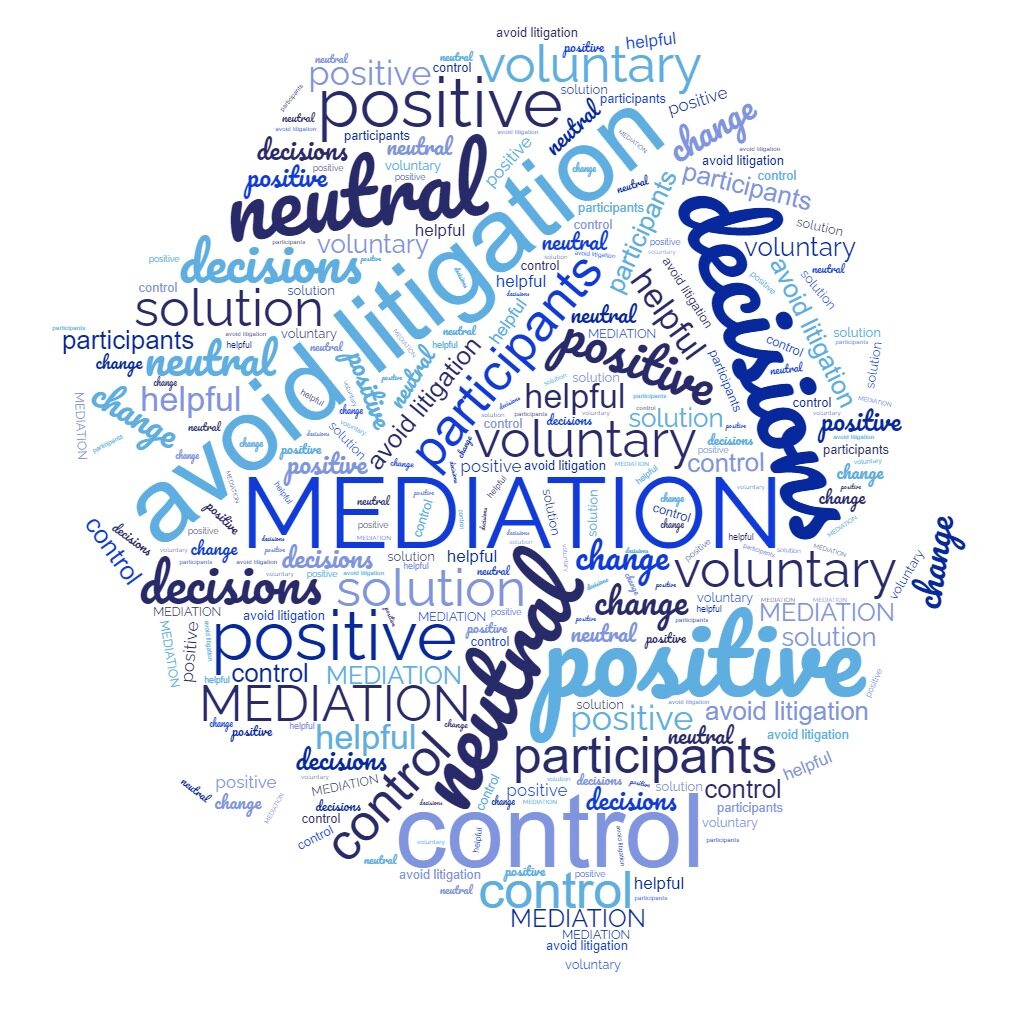
When individuals need assistance with conflict resolution and finding solutions, mediation is conducted by a certified or trained family court mediator. Mediation is a cost-effective, time-efficient process that allows for individual input, and flexible creative solutions for the specific unique needs of the family, that may not be available in a courtroom setting.
Guardian ad Litem
We take on the responsibility of being advocates, ensuring children’s best interests are at the forefront. As a Guardian ad Litem, we serve the most vulnerable voices in family and probate disputes.

Information
If you would like more information, contact our office to schedule a consultation.